
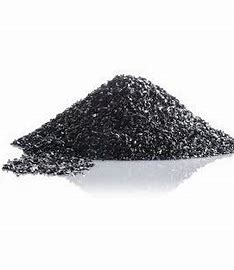
Activated Carbon
Granular activated carbon (GAC) removes chlorine, taste, odour, colour and dissolved organic compounds that sand and anthracite cannot. We supply coal-based activated carbon for municipal, industrial, mining and point-of-use water treatment across South Africa.
Typical activated carbon specification
| Property | Typical value |
|---|---|
| Raw material | Coal-based |
| Form | Granular (GAC) |
| Common mesh sizes | 8 x 30, 12 x 40 |
| Iodine number | Grade dependent, stated on the certificate of analysis |
| Packaging | 25 kg bags and bulk bags |
Grades and performance figures are confirmed per batch on the certificate of analysis. Tell us your application and we will match the grade.
What activated carbon removes
| Contaminant | Typical use |
|---|---|
| Free chlorine and chloramine | Pre-treatment ahead of reverse osmosis, beverage and process water |
| Taste, odour and colour | Municipal drinking water and borehole water |
| Organic compounds and VOCs | Industrial wastewater and groundwater remediation |
| Oil and organics in process streams | Mining and industrial process water |
Where carbon fits in a treatment train
Activated carbon normally sits after a sand or multimedia filter, so suspended solids are removed first and the carbon’s pores stay open for adsorption. In some pressure filters a carbon cap layer replaces hydro anthracite.
Frequently asked questions
How often does activated carbon need replacing?
It depends on the contaminant load. Carbon for chlorine removal can last years, while carbon for organics may need changing within months. Regular testing of the treated water tells you when it is exhausted.
Is activated carbon the same as hydro anthracite?
No. Hydro anthracite filters out particles mechanically. Activated carbon is processed to create a very large internal surface that adsorbs dissolved compounds.
Do you supply bulk quantities for plant change-outs?
Yes, in bulk bags with delivery to site nationwide and export to SADC.