
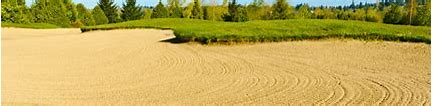
Equestrian Arena Sand
A good arena surface gives horses secure footing, cushions impact and drains quickly after rain. Washed silica sand with a sub-angular grain and low dust is the base of most riding and show-jumping arena surfaces. We supply arena sand for riding schools, stud farms, polo and show-jumping venues and private arenas.
Typical specification
| Property | Typical value |
|---|---|
| Material | Washed silica sand |
| Particle size | Mostly 0.2 – 1.0 mm |
| Grain shape | Sub-angular, for grip and stability |
| Fines | Low, to reduce dust and compaction |
| Packaging | Tipper loads and 1-ton bulk bags |
How much sand for an arena?
| Arena size | Sand depth | Approximate sand |
|---|---|---|
| 20 m × 40 m | 75 mm | about 60 m³ (about 95 tons) |
| 20 m × 60 m | 75 mm | about 90 m³ (about 145 tons) |
| 30 m × 60 m | 100 mm | about 180 m³ (about 290 tons) |
Based on a loose bulk density of about 1.6 t/m³. Dressage arenas usually run 50 – 75 mm of sand; jumping arenas 75 – 100 mm.
Frequently asked questions
Why not use builder’s sand?
Builder’s sand contains silt and clay that compacts, turns dusty when dry and muddy when wet. Washed silica sand drains and stays consistent.
Can I mix fibre or rubber into the sand?
Yes. Washed silica sand is the usual base for fibre and rubber additives.